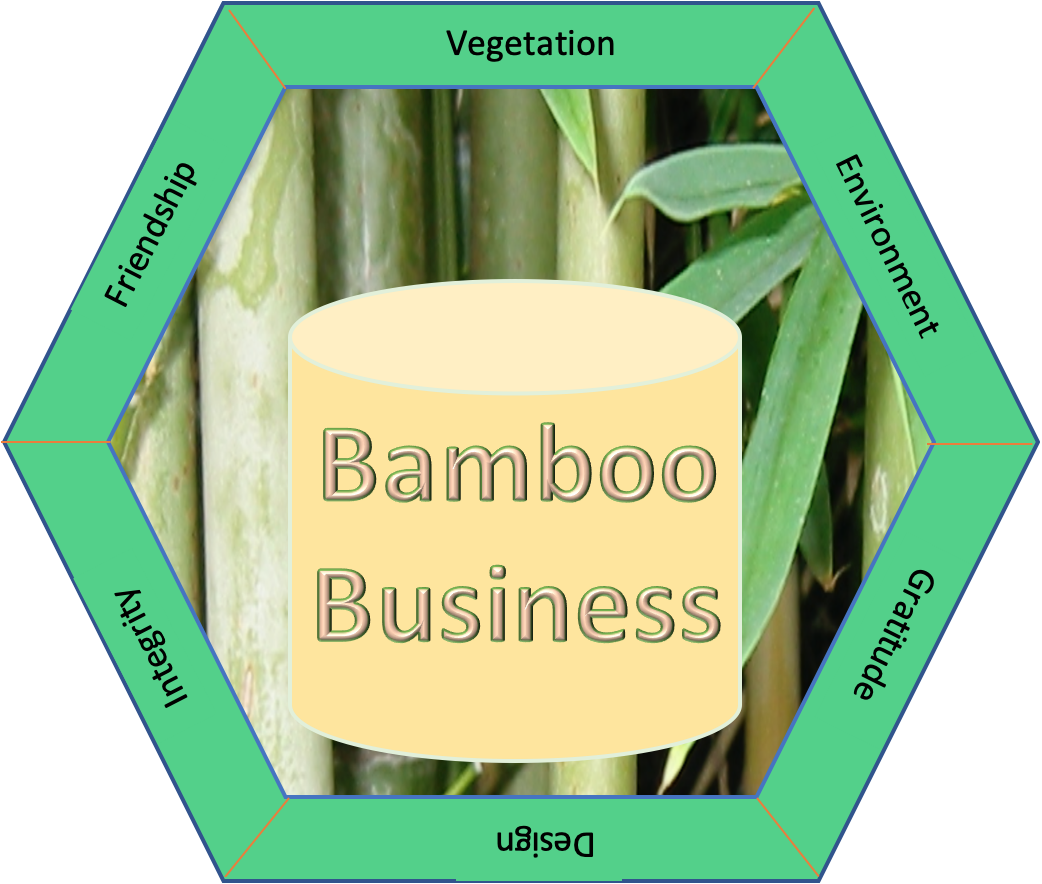

1. Sustainable – both in terms of itself as a business and of the products it will sell.
2. Values – for the company, society and the environment.
3. Ethical – in all aspects of the business.
4. Alleviates Poverty – to help those smaller producers to get to a market.
I am still formulating these ideas and what they mean.
Let me give you an example, a Woodturner in the UK, will often sell their crafted products at summer shows. Using the winter to make and the summer to sell often travelling around the country to a series of major agricultural or regional events. Competing with all the other sellers in the craft tent.
It is often a part-time job, requiring another source of income.
Do we want to help them? Do they want to be helped? I would like to think so.
The costs and the sustainability will require their products to be small runs, not huge manufacturing runs. Consumers will have to understand that something available today may not be available tomorrow.
Similarly with a village in Africa, if a set of suitable products can be shipped or air freighted and the margins benefit the poor in that society. Are we prepared to incur the pollution aspects of that shipping – I would say so, but would prefer that ships are used even if they then take a long time to arrive. Both for the business and in terms of returns for the village.
We are, therefore, in need of a clear set of Do’s and Don’t’s which will guide the business as its concepts develop. Both now and in the future. Business must change and adapt otherwise they die.
 The Bamboo Business